
After a long day, getting into your pool may be really relaxing. The water should feel smooth, clean, and cool. But when that silky glide evolves into a dry, chalky sensation on your skin, everything changes. It doesn’t feel right. It makes your hands rough, your hair drab, and your thoughts a little unsettled.
That feeling of chalkiness isn’t just a little annoying. Your pool is softly telling you that something else is going on. The sooner you get it, the simpler it will be to keep your pool, your comfort, and your money safe.
Let’s talk about what that sensation truly means, why it occurs, and how it has a lot to do with the plaster on your pool.
That Chalky Feeling Isn’t Just in Your Head
It can seem like a little difference at first. The water is clear. Everything seems OK. But as soon as you walk in, your skin reveals a different narrative.
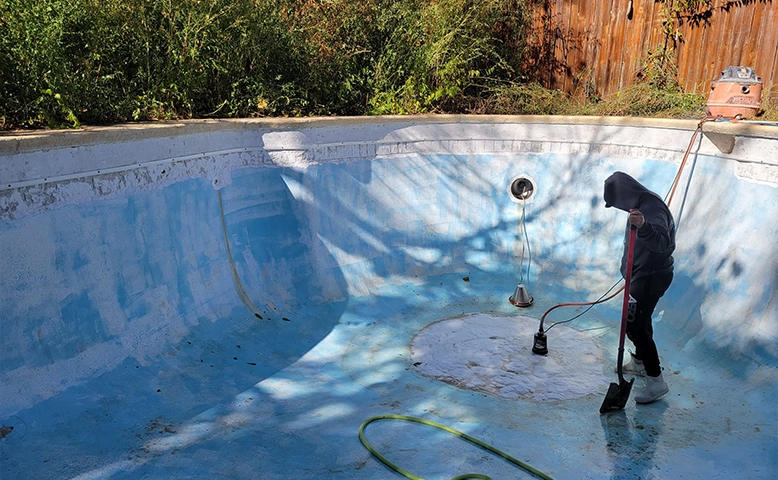
Most of the time, the dry, powdery feeling comes from microscopic bits of stuff that are floating in the water. A lot of the time, these particles emerge from the surface of your pool. Plaster may start to break down over time, which lets fine particles into the water.
As a result:
- Your skin feels dry or slightly gritty
- Your hands may look pale or coated after swimming
- The water may leave a faint residue on swimsuits
- Surfaces around the pool might collect a thin white layer
This isn’t just about comfort. It’s about what your pool is going through beneath the surface.
The Hidden Link Between Chalky Water and Pool Plaster
Your pool plaster plays a bigger role than most people realize. It’s not just there for looks. It protects the structure, keeps the surface smooth, and helps maintain water balance.
However, when plaster begins to wear down, it slowly releases calcium-based dust into the water. That’s where the chalky feeling begins.
This process is often called “plaster dusting,” and it can happen for several reasons:
- The plaster is aging and naturally breaking down
- Water chemistry is out of balance
- The surface was not cured properly after installation
- Harsh chemicals have weakened the material over time
As this continues, the smooth surface you once enjoyed starts to fade. The water carries that change directly to your skin.
Water Chemistry Plays a Bigger Role Than You Think
Plaster is the main problem, but water chemistry frequently makes it worse.
The water begins to draw minerals out of the plaster when the balance is askew. This is called “etching,” and it gently wears down the surface.
This is what usually produces the imbalance:
- Low calcium levels in the water
- Improper pH levels
- High alkalinity fluctuations
- Overuse of certain chemicals
Because of this, the plaster becomes vulnerable. It starts to break down, and finally, that chalky residue appears.
When calcium levels are excessively high, on the other hand, the reverse may happen. When there are too many minerals in the water, they might float about and make it seem hazy and harsh. Your pool will feel less smooth and clean either way.
Early Signs You Should Pay Attention To
That chalky feeling rarely appears overnight. In most cases, your pool gives subtle hints before the issue becomes obvious.
By noticing these early changes, you can avoid bigger problems later.
Keep an eye on:
- Fading or uneven plaster color
- Rough spots are forming on the pool surface
- Fine white dust is collecting on the floor
- Increased need for brushing the pool
- Water that looks slightly dull instead of clear
Each of these indicators means that the plaster is slowly wearing away or that the chemicals in the plaster are out of equilibrium. And even though they can appear tiny at first, ignoring them might lead to bigger repairs.
Why Not Paying Attention to It Can Cost More in the Long Run
It’s easy to ignore that chalky sensation and hope it goes away. But the longer it lingers, the more harm it may do. However, the longer it stays, the more damage it can cause. As plaster continues to break down:
- The surface becomes rough and uncomfortable
- Cracks may begin to form
- Stains can settle deeper into the material
- Water balance becomes harder to control
In the end, the pool may need to be completely replastered instead of just making little repairs. If you act quickly, you may prevent that much effort and keep your pool in excellent condition for longer.
What You Can Do Right Now to Make Things Better
The good news is that tiny changes made early on may have a large effect.
Take these useful steps first:
- Test your pool water regularly and keep levels balanced
- Brush the pool walls and floor to remove loose dust
- Clean your filter more often to capture fine particles
- Avoid overusing harsh chemicals
- Monitor any changes in how the surface feels
These methods won’t restore significant plaster damage, but they will slow it down and keep things under control.
When It’s Time to Think About Pool Plastering
Sometimes, just doing maintenance isn’t enough. The only permanent repair for plaster that has worn down too much is to restore the surface.
A properly done plaster job brings back:
- A smooth, comfortable feel under your feet
- Cleaner water with fewer floating particles
- Better control over water chemistry
- A fresh, even look across the pool
More importantly, it protects the structure beneath the surface, which helps your pool last longer.
How a Healthy Pool Should Feel
A well-maintained pool has a very distinct feel. The water glides over your skin without leaving any residue. Your hands come out feeling clean, not dry.
You notice:
- Smooth surfaces without rough patches
- Clear water that sparkles in sunlight
- No visible dust or buildup
- Balanced water that feels gentle on your skin
This is what your pool is meant to be. And once you experience that difference again, the chalky feeling becomes impossible to ignore.
The Emotional Side of a Comfortable Pool
A pool is not simply water. It is where things happen. It’s a place to unwind, laugh, and get away from the day. When the water doesn’t feel right, even a little bit, it affects the experience. It makes people think twice. It takes away the sensation of being free.
Getting the problem fixed gives back that comfort. It brings back the basic pleasure of stepping into water that feels good. And that’s something to hang on to.
Final Thoughts That Stick With You
That powdery sensation is your pool’s way of calling for help without making a noise. It shows changes that are occurring below the surface, notably in the water and plaster balance. You safeguard more than just the building by remaining attentive, responding quickly, and taking care of your pool. You keep the pleasure that comes with it safe.
Working with a well-known company like Tulsa Pools and Repair may make a big difference for homeowners who want long-lasting results and a pool that feels right. They know how to plaster pools well and have years of hands-on experience doing it. They can make pools smooth and comfy again every time.