
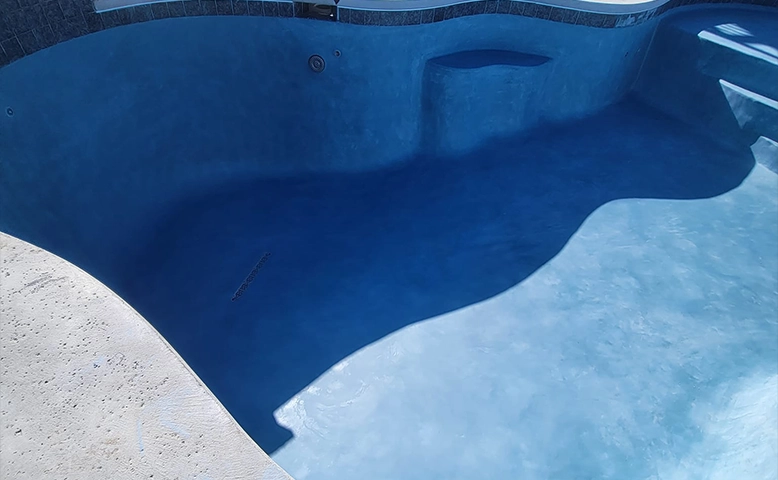
Looking at a quiet, blue pool is calming. It seems welcoming, refreshing, and like a good place to relax and swim. But not every pool that appears nice on the outside is safe to swim in. Small problems are typically hidden under the surface, and if you don’t deal with them, they may progressively convert an enjoyable place into a dangerous one.
It helps to know precisely what to look for instead of just guessing. You safeguard not just your pool but also everyone who uses it when you know the early warning signals.
Let’s go over the signals that really matter in a manner that is easy to understand and helpful.
When Water Doesn’t Look Right, It Usually Isn’t
First impressions are important, particularly when it comes to pool water. If something seems odd, it generally is.
You should be able to see the bottom of clear water without any trouble. When that clarity goes away, it means that something has to be fixed. These are the changes that you should pay attention to:
- Cloudy or dull water that blocks visibility
- A green or yellow tint caused by algae growth
- Floating debris that keeps returning even after cleaning
- A thin film on the surface that looks oily or sticky
Even though these might seem like minor changes, they often point to deeper problems with filtration or chemical balance. As a result, bacteria and algae get the chance to grow.
Strong Smell Isn’t a Good Sign
A lot of people think that a strong scent of chlorine suggests the pool is clean. In fact, the reverse is typically true. Chloramines, which are generated when chlorine combines with perspiration, oils, and other dirt, generally give off that strong scent. This accumulation may make breathing, skin, and eyes hurt instead of making water safe.
When the scent is too strong, it’s an indication that your pool water needs the right care, not additional chemicals.
Skin and Eye Irritation Should Never Be Ignored
You shouldn’t feel bad while you swim. It’s time to take notice when your pool begins to bother you. Keep an eye out for these signs:
- Red or itchy eyes after swimming
- Dry or irritated skin
- A burning sensation while in the water
- Unusual rashes after pool use
These reactions often happen when the water balance is off. Either the chlorine levels are too high, too low, or the pH is out of range. Over time, this can make swimming unpleasant and unsafe.
Slippery Surfaces Tell a Bigger Story
Now, let’s speak about something you can touch, not just see.
When algae starts to bloom, the walls, stairs, or floor of the pool may seem slippery. If you don’t deal with it right away, even a thin covering may spread swiftly.
It looks dirty and may also make people slide, which is particularly dangerous for youngsters and elderly swimmers. That smooth, slick sensation is more than simply a problem with cleaning. This is a safety issue that has to be dealt with right now.
Water Level Drops Without Explanation
Pools naturally lose a little water due to evaporation. However, a noticeable drop within a short time often signals something else.
Here’s what to look for:
- The water level is dropping faster than usual
- Wet spots around the pool area
- Cracks are forming near the pool structure
- Equipment running more often to maintain levels
Leaks not only waste water but can also weaken the pool structure over time. Fixing them early prevents bigger repairs later.
Equipment Acting Differently
Your pool equipment works quietly in the background. When something changes, it’s worth noticing. Keep an eye (and ear) on these signs:
- The pump is making unusual noises
- Weak water flow from jets
- Filter clogging more often than usual
- The heater is struggling to maintain the temperature
These changes often mean the system isn’t running efficiently. As a result, water quality drops, and problems begin to build up.
Cracks and Damage Around the Pool
Pools go through constant exposure to water, sun, and temperature changes. Over time, this can lead to visible wear.
Some signs are easy to spot:
- Small cracks in the pool surface
- Tiles coming loose or falling off
- Rough patches are forming on the floor
- Edges are starting to chip or wear down
Even though these might seem cosmetic, they often point to deeper structural concerns. Addressing them early keeps your pool strong and safe.
Algae Growth Doesn’t Stay Small
Algae may seem like a light green splotch at first. But it doesn’t remain that way very often.
It spreads swiftly and may take over the whole pool if you don’t take care of it. It also makes surfaces slippery and makes the water less clear. Some common indications are:
- Green, black, or yellow spots on walls
- Cloudy water with a green tint
- Persistent patches that return after cleaning
Dealing with algae early saves time, effort, and stress later on.
Foam on the Surface Is a Warning
People typically don’t see foam floating on the surface of the pool. But it does convey a clear tale. It generally happens when there are too many things in the water that shouldn’t be there, including lotions, oils, or cleaning products. This accumulation may make the pool seem less clean, even if it appears good at first. It also affects the quality of the water.
Drain and Circulation Problems Can Build Quietly
Proper circulation keeps water moving and clean. When it slows down, problems begin to grow unnoticed.
Signs to watch include:
- Debris is settling quickly at the bottom
- Water is not circulating evenly
- Dead spots where algae forms faster
- Skimmers are not pulling in debris effectively
When circulation isn’t working well, even balanced water can quickly turn unsafe.
Why Acting Early Makes All the Impact
Ignoring these signs might feel easy at first. After all, the pool may still look usable. However, small issues rarely stay small.
When you act early:
- Repairs stay simple and affordable
- Water remains safe for everyone
- Equipment lasts longer
- You avoid sudden breakdowns
On the other hand, waiting too long often leads to bigger damage, higher costs, and more downtime.
Simple Habits That Keep Your Pool Safe
Keeping your pool safe doesn’t need to feel complicated. A few consistent habits go a long way.
Here’s what helps:
- Regularly check water clarity and smell
- Clean debris before it builds up
- Monitor chemical levels weekly
- Pay attention to how the pool feels, not just how it looks
- Listen for changes in equipment performance
These small actions help you stay ahead of problems instead of reacting to them later.
Final Thoughts: Stay One Step Ahead
Your pool should always feel like a safe environment, not a scary one. You’re already doing the correct thing if you notice even the tiniest differences. Being aware of these warning signals may help you keep your time, money, and pool users safe. It’s not about being flawless. It’s about being aware and getting treatment when you need it.
It is simpler for people in Tulsa, Ok, to stay on track when they have a reliable name like Tulsa Pools and Repair. They know that tiny problems may become huge ones if they aren’t dealt with right away, since they have been doing this for more than 24 years. A pool that is safe isn’t merely one with clean water. It’s about understanding what to look for and doing something before issues become worse.